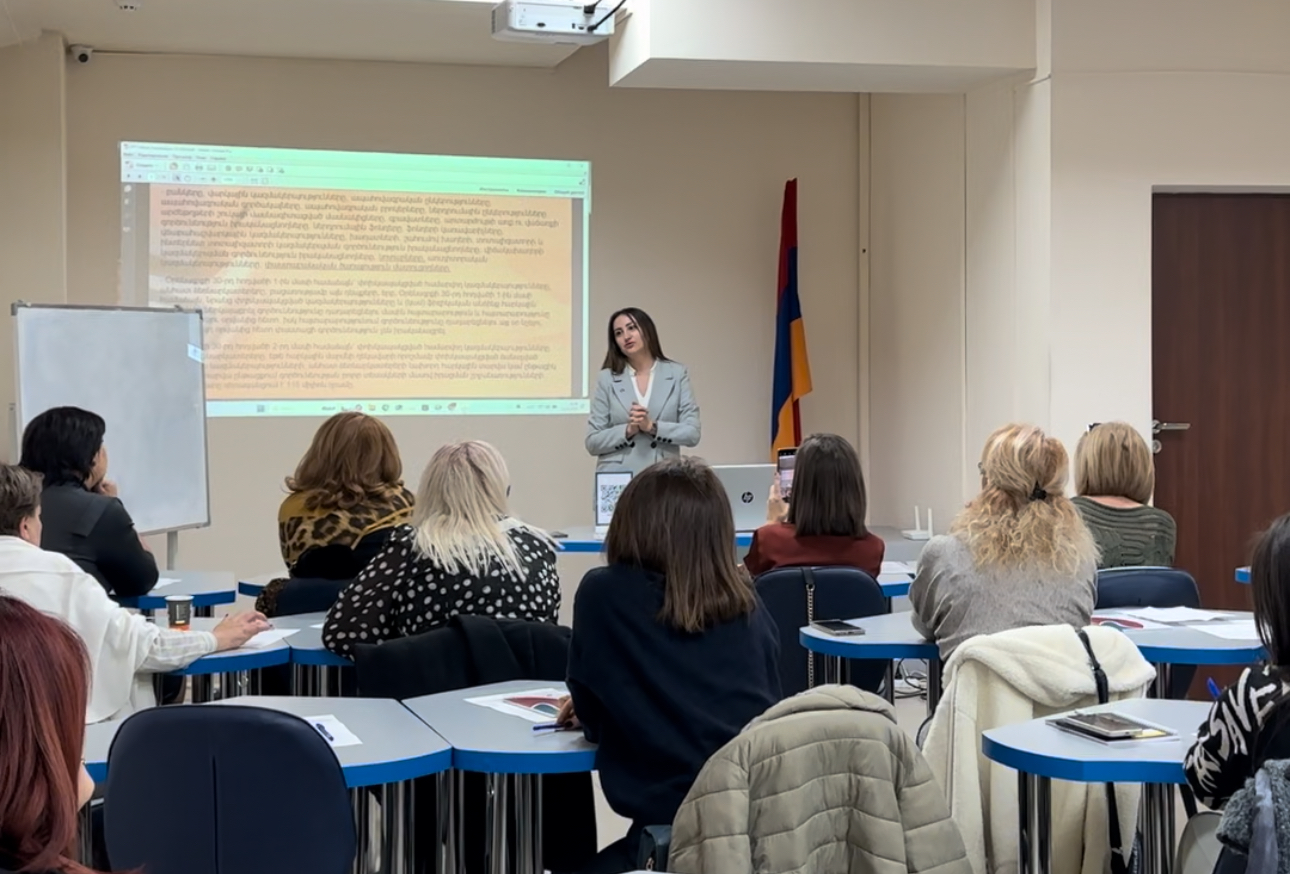
Training on “Taxation Features in the Tourism Sector” for Executives of Tourism Companies under the “United Federation of Tourism” NGO
Tourism is one of the key drivers of a country’s economic development. The growth of the tourism sector contributes not only to economic expansion but also to increasing international visibility and strengthening the country’s reputation.
In the Republic of Armenia, the tourism sector has specific features in terms of tax policy, including:
- Proper classification of taxable services and goods
The tourism sector often includes a wide range of services such as hotels, transportation, excursions, and tickets to cultural sites. Some services may be taxed differently depending on their nature or market positioning. For example, in some countries hotel services may be subject to higher taxes, while tour guide services or transportation may be taxed at different rates. Lack of awareness of these distinctions may lead to violations of tax regulations or loss of eligibility for tax benefits.
- Reduction of the risks of tax violations and penalties
Ignoring or misinterpreting tax regulations may result in serious consequences, including potential legal liability in some cases. Executives of tourism companies must be well-versed in tax calculation and payment procedures in accordance with the legislation of the Republic of Armenia. Proper application of tax rules, rates, and procedures helps organizations avoid unexpected financial losses.
- Tax implications in international tourism
Tax rates and regulations may vary across countries depending on whether the activity is international or domestic. For instance, if a tourism company organizes international tours, it may be subject to tax regulations and tax privileges of different countries. The need to have information becomes even more important.
- Tax transparency and trust
A clear understanding and proper application of tax rights and obligations contribute to company’s high reputation. Adhering to transparent tax policies helps improve relationships with clients, government authorities, and international partners.
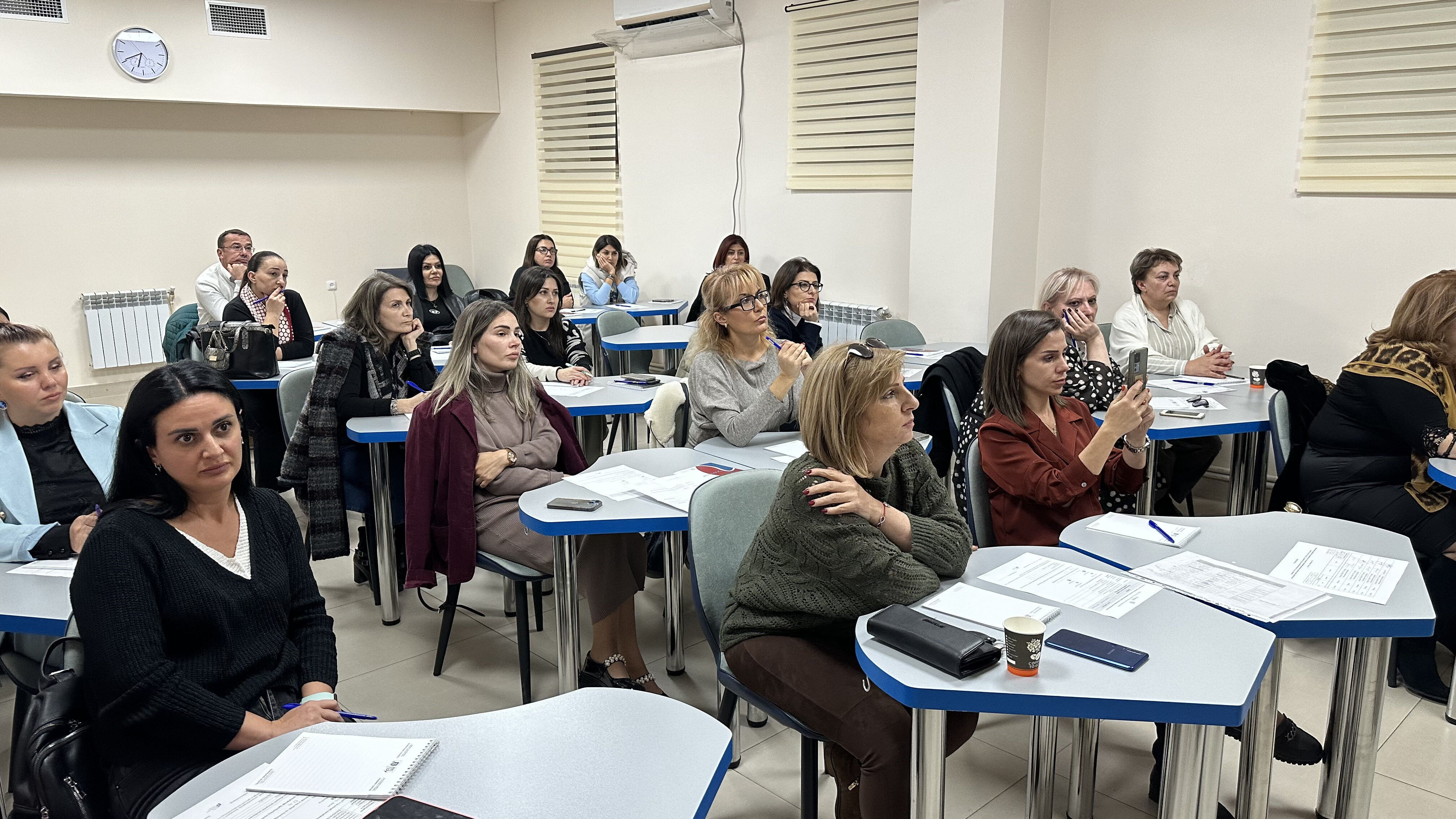
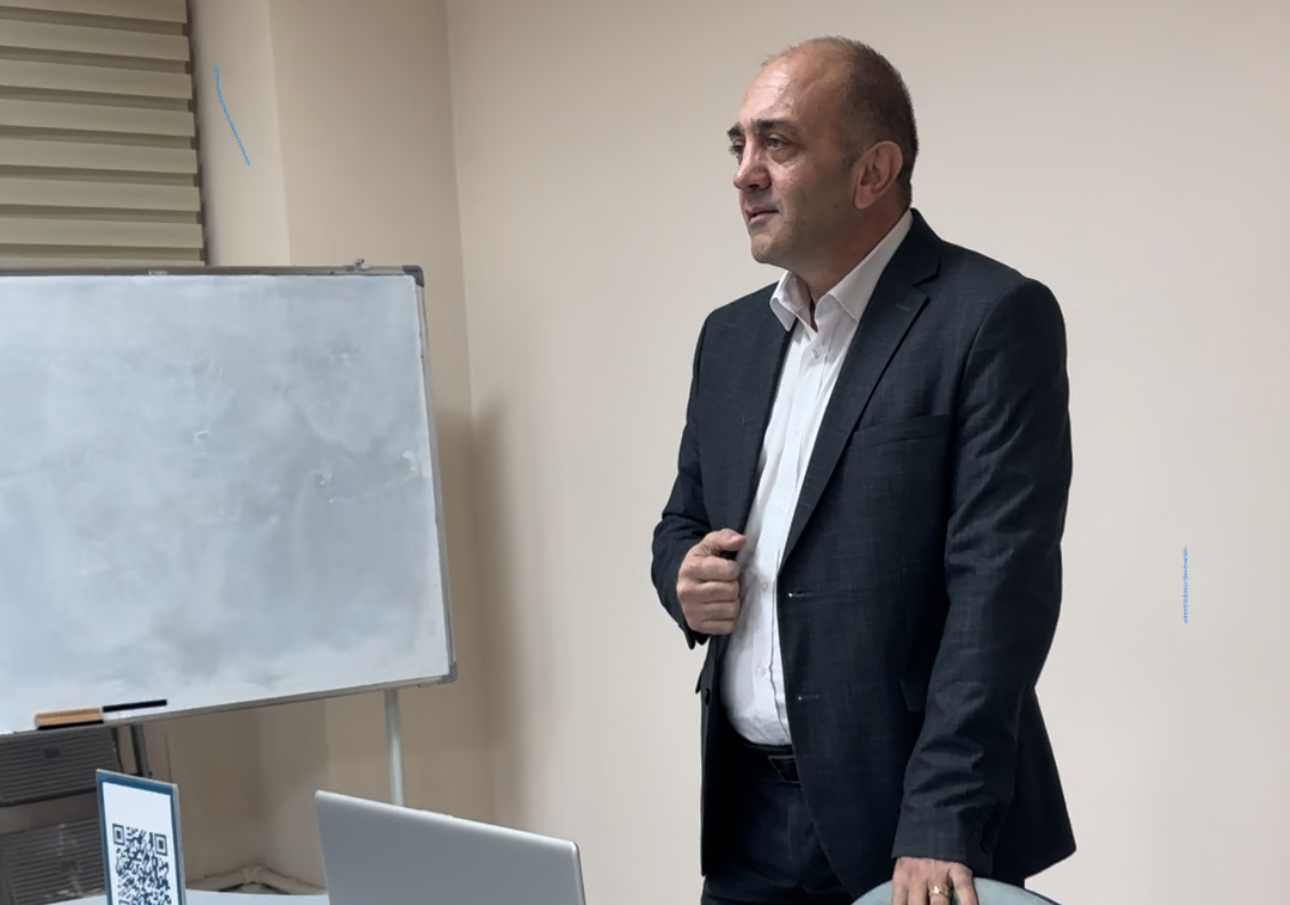
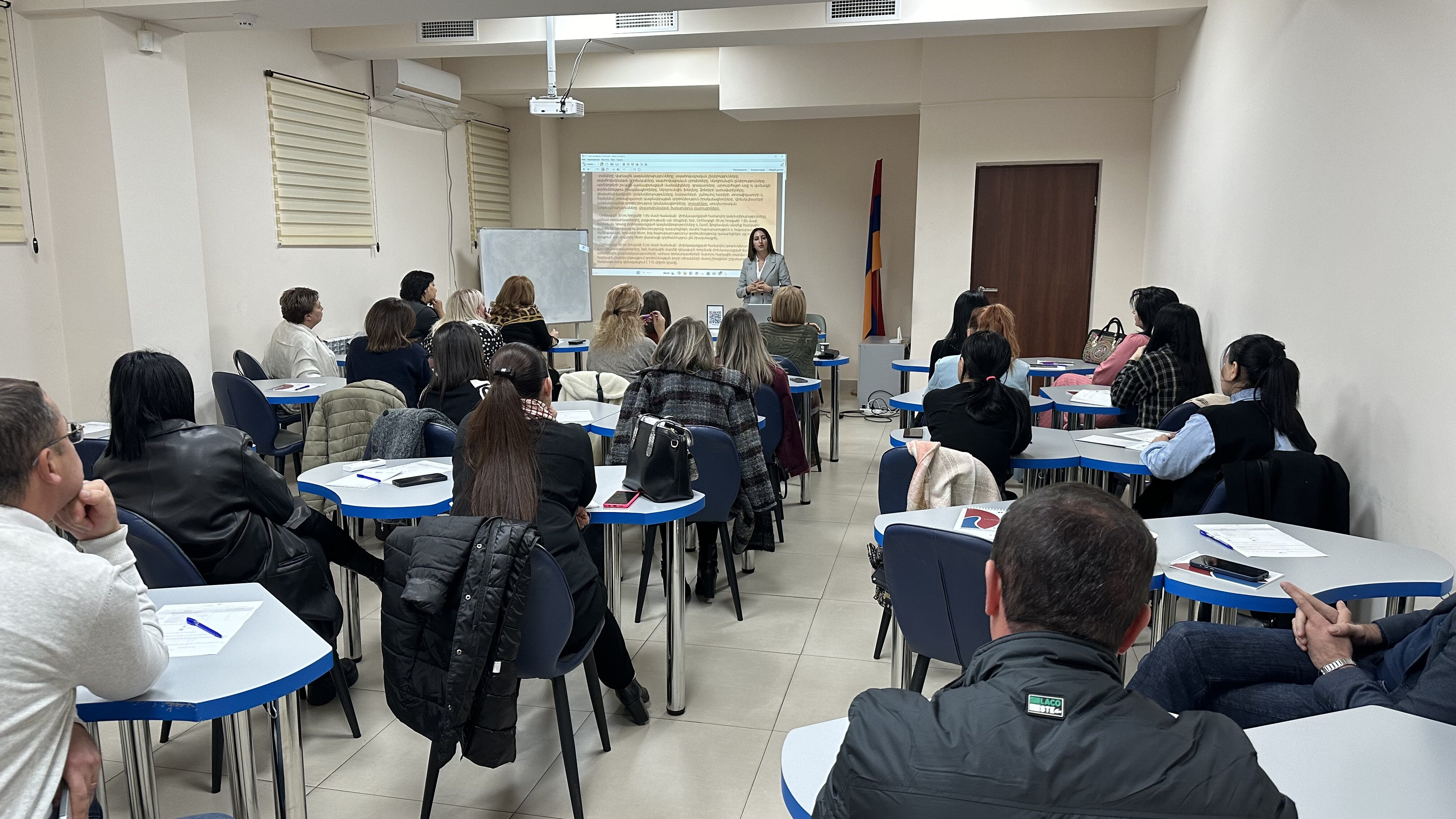
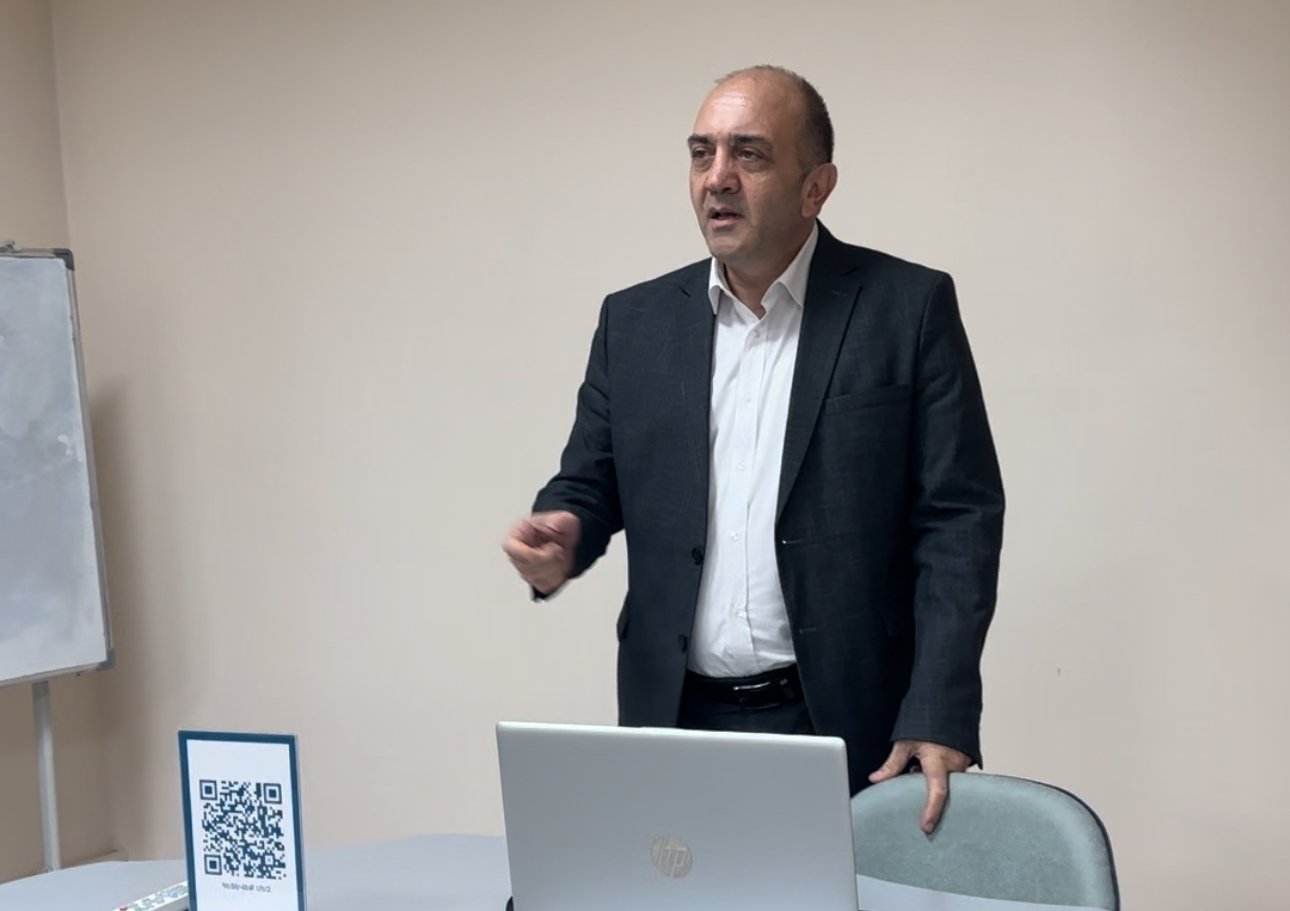
Emphasizing the importance of operating in compliance with the legal framework, a training on “Taxation Features in the Tourism Sector” was held at the RA SRC Training Center for executives of tourism companies affiliated with the “United Federation of Tourism” NGO. The training was delivered by Mariam Manukyan, Deputy Head of the Administration Methodology and Procedures Department, and Mkrtich Mkrtchyan, Deputy Head of the Comprehensive Tax Audit Department.
As a result, managers who have a strong understanding of the taxation specifics of the tourism sector can manage their organizations more effectively, avoid tax-related issues, increase revenues, make use of available incentives, and contribute to the sustainable development of businesses in the sector.